
RAZOR CLAMMING HIGHLIGHTS
It’s time to harvest razor clams!
More digs announced into May.
By WDFW
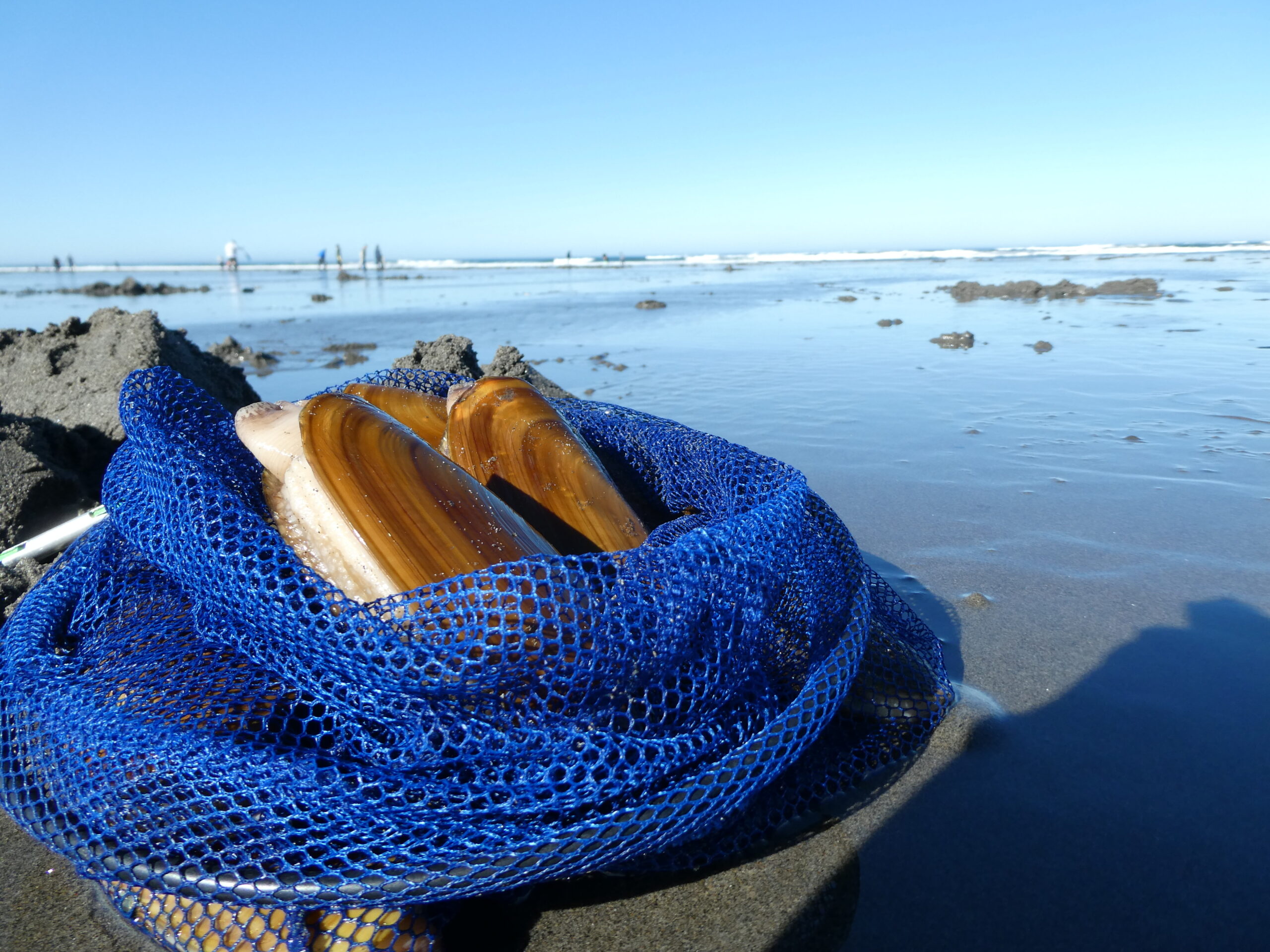
Razor clams in a clamming net near Westport. (WDFW)
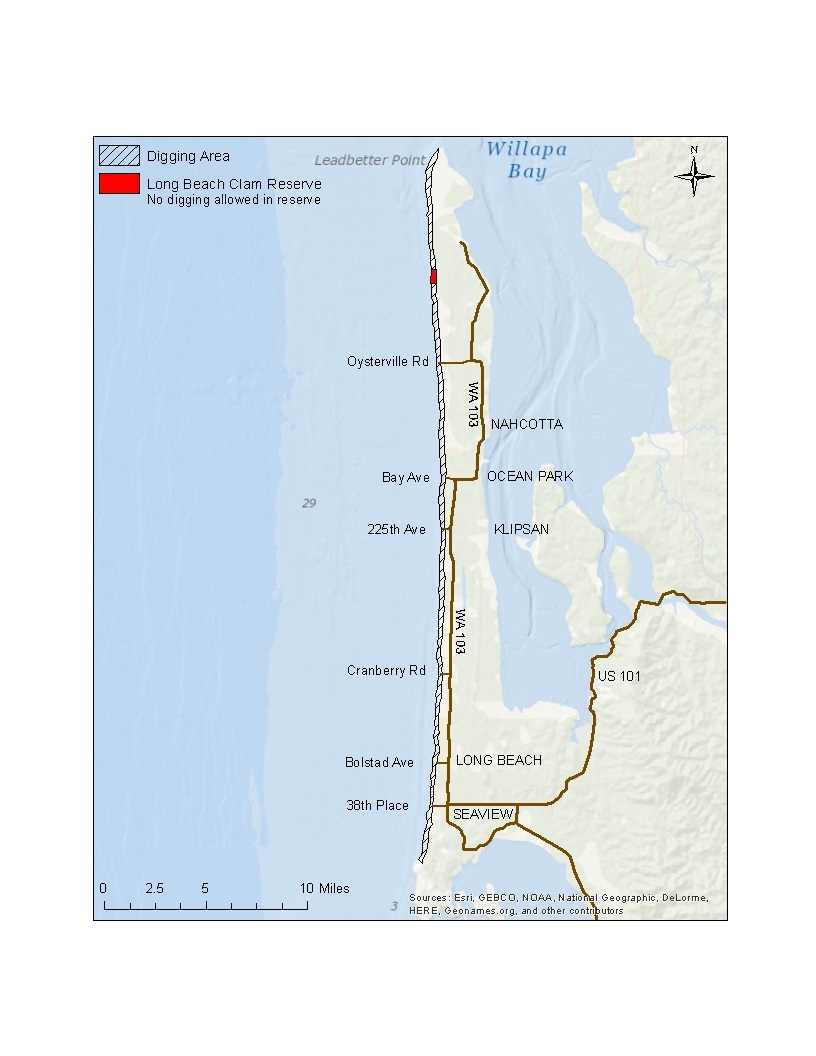
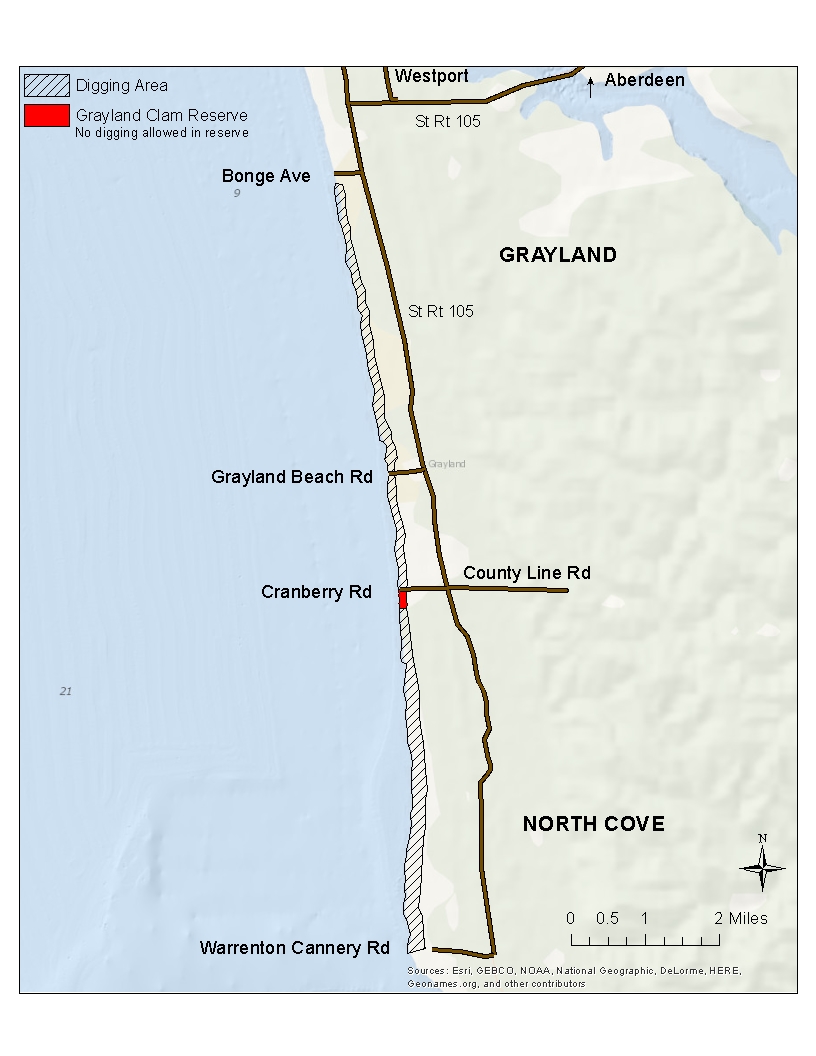
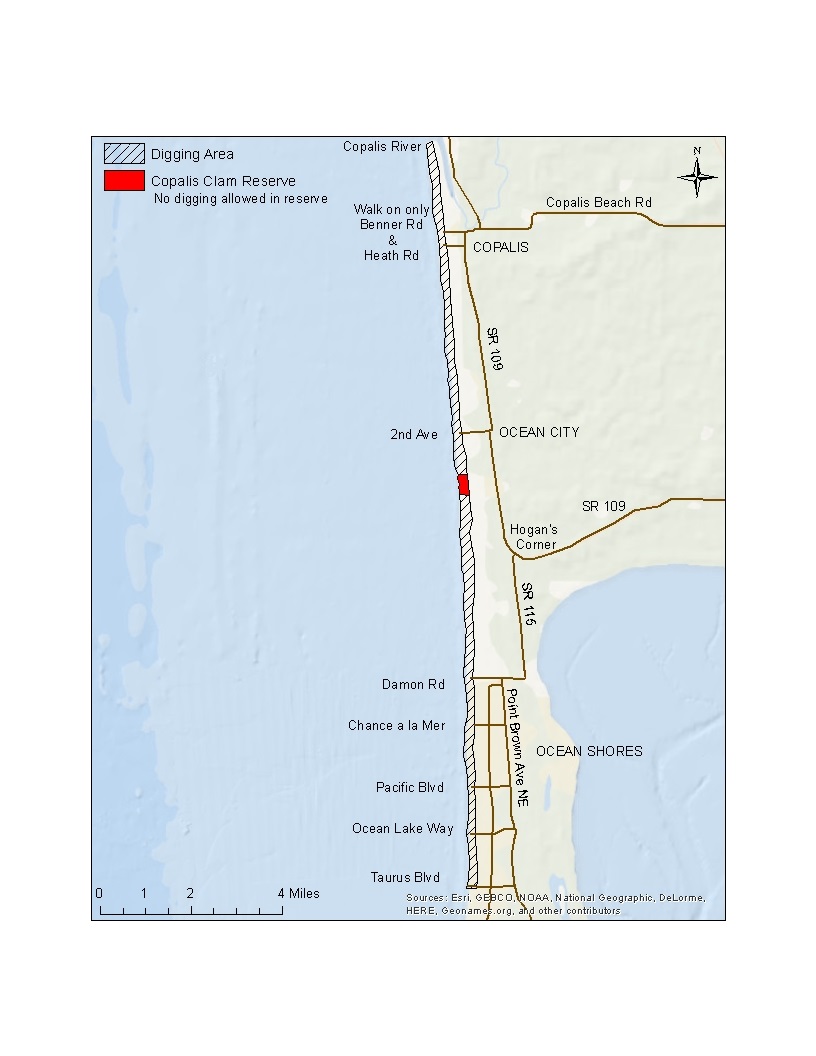
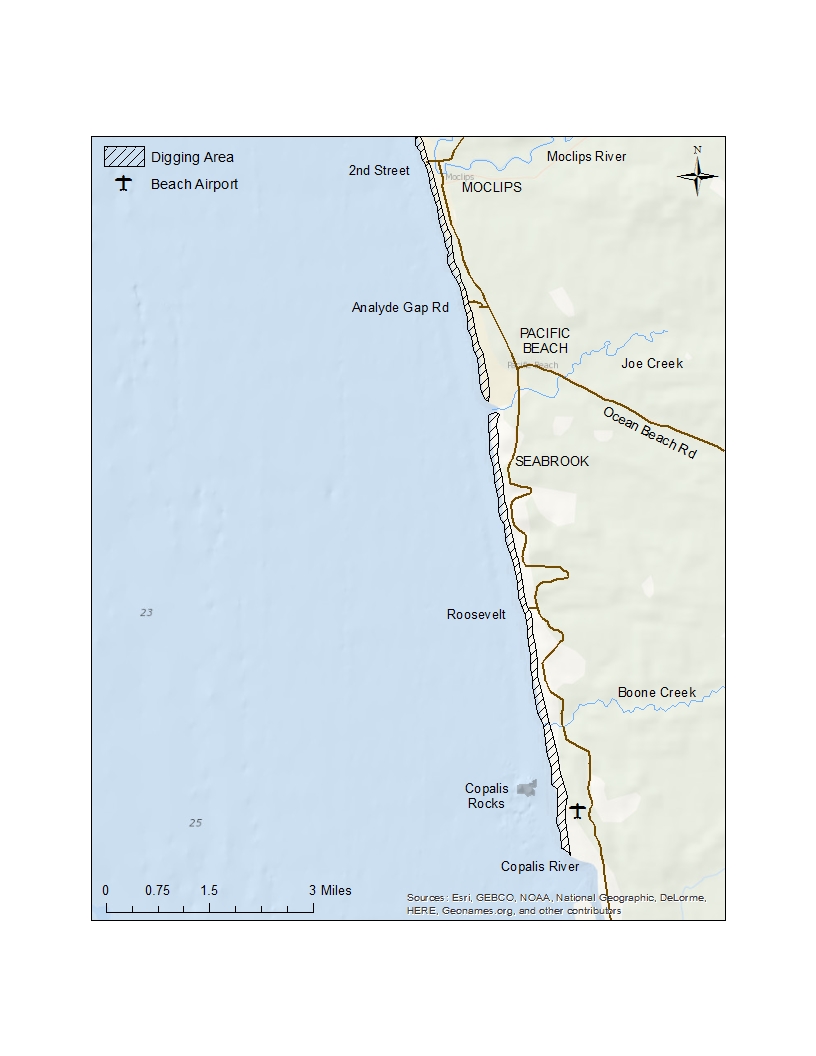
Not all beaches are open for every dig, so diggers are encouraged to make sure their intended destination is open before heading out. For more information on these digs, go to WDFW’s razor clam webpage.
The following digs during morning (midnight to noon only, except extended until 2 p.m. on April 22-23) low tides:
- April 17, Friday, 6:58 a.m.; -0.9 feet; Long Beach, Twin Harbors, Mocrocks (Long Beach Razor Clam and Shellfish Festival)
- April 18, Saturday, 7:41 a.m.; -1.5 feet; Long Beach, Twin Harbors, Mocrocks (Long Beach Razor Clam and Shellfish Festival)
- April 19, Sunday, 8:26 a.m.; -1.8 feet; Long Beach, Twin Harbors, Copalis
- April 20, Monday, 9:14 a.m.; -1.7 feet; Long Beach, Twin Harbors, Copalis
- April 21, Tuesday, 10:07 a.m.; -1.3 feet; Long Beach, Twin Harbors, Mocrocks
- April 22, Wednesday, 11:06 a.m.; -0.8 feet; Long Beach, Twin Harbors, Mocrocks (digging extended until 2 p.m.)
- April 23, Thursday, 12:11 p.m.; -0.2 feet; Long Beach, Twin Harbors, Copalis (digging extended until 2 p.m.)
Below are additional tentative dates during morning (midnight to noon only) low tides:
- April 30, Thursday, 6:26 a.m.; -0.3 feet; Long Beach, Twin Harbors, Mocrocks
- May 1, Friday, 7:01 a.m.; -0.7 feet; Long Beach, Twin Harbors, Copalis
- May 2, Saturday, 7:35 a.m.; -0.8 feet; Long Beach, Twin Harbors, Copalis
- May 3, Sunday, 8:08 a.m.; -0.8 feet; Long Beach, Twin Harbors, Mocrocks
- May 4, Monday, 8:43 a.m.; -0.7 feet; Long Beach, Twin Harbors, Mocrocks
- May 5, Tuesday, 9:21 a.m.; -0.4 feet; Long Beach, Twin Harbors, Copalis
- May 6, Wednesday, 10:03 a.m.; -0.1 feet; Long Beach, Twin Harbors, Copalis
Most successful digging occurs between one and two hours before the listed time of low tide.
On all open beaches — Long Beach, Twin Harbors, Copalis, and Mocrocks — the daily limit is 15 clams per person. Each digger’s clams must be kept in a separate container, and all diggers must keep the first 15 clams they dig, regardless of size or condition.
Now that spring has arrived, Washingtonians will need a valid 2026-2027 recreational fishing license beginning April 1, 2026. The 2025–2026 licenses expire on March 31. WDFW offers two mobile apps and both apps are designed to make your outdoor experience easier and more efficient. MyWDFW serves both hunters and anglers, offering electronic tagging, harvest reporting, and access to licenses and permits. Fish Washington® is tailored for anglers, providing fishing regulations, digital catch cards, and license management. All diggers age 16 or older must have an applicable fishing license to harvest razor clams on any beach. Licenses may be purchased online or from hundreds of license dealers across the state.
Kalaloch Beach off the northern Olympic Peninsula coast won’t be open due to continuing issues with depressed populations of harvestable clams.
Submit your razor clamming photos!
Are you a clam gun guru or a shovel superstar? It’s time to prove your razor clamming prowess!
Join the Razor Clam Face-Off and show off your skills. Snap a photo of your epic clam-digging adventure and submit it on our site using the hashtag for your team, #TeamClamGun or #TeamClamShovel, from the “Promotion” drop down menu.
Every week, we’ll feature a standout photo on our social media. The team with the most submissions will win bragging rights.
So, grab your license and gear, hit the beach, and let’s dig in!